Contact:
 Email:
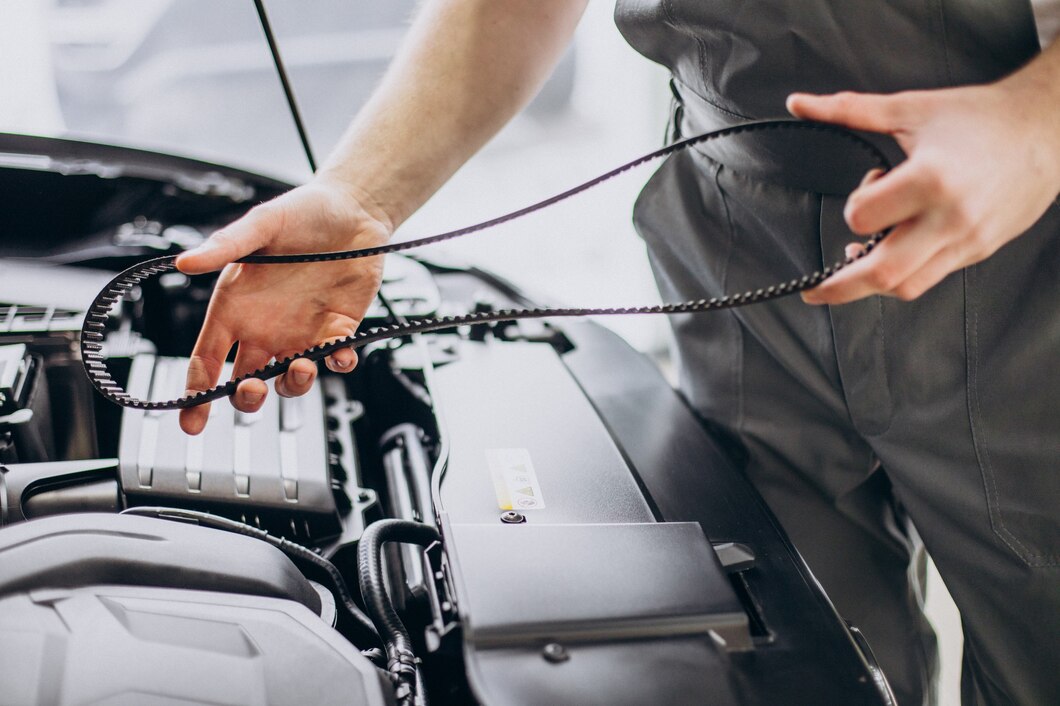
The engine doesn’t warn you. One moment, everything’s fine; the next, it just stops on the motorway. No drama, no build-up. Just silence and a repair bill that can run into thousands.
The cambelt keeps your engine in time. When it fails, the engine stops. In most modern vehicles, serious internal engine damage also results from that failure. Follow your service intervals, watch for signs of cambelt failure, and replace the belt before it becomes an emergency.
Knowing the warning signs, cambelt lifespan, and what happens when one snaps helps you avoid all that.
What Is a Cambelt and Why Does It Matter
The cambelt is a reinforced rubber belt that synchronises the crankshaft and camshaft inside your engine. When it works, pistons and valves move in perfect coordination. When it fails, that coordination collapses instantly.
Cambelt vs Timing Belt
The cambelt and the timing belt are the same component. “Cambelt” is the term most commonly used in New Zealand and the UK. Both refer to the rubber belt driving your engine’s timing. Same part, different names.
Cambelt vs Timing Chain
A timing chain does the same job but is made of metal rather than rubber. Chains typically last longer and are found in many modern engines, but they still wear, particularly when oil changes are neglected. If you’re unsure which one your vehicle has, check your owner’s manual or ask a qualified mechanic.
How Long Does a Cambelt Last?
Most vehicle manufacturers recommend cambelt replacement every 100,000km or five years, whichever comes first. In New Zealand, where varied climate conditions can accelerate belt wear, some mechanics recommend erring toward the lower end.
Mileage Intervals
Always follow the manufacturer’s recommended mileage intervals for your specific make and model. Some vehicles have intervals as low as 60,000 km. Check your owner’s manual first rather than relying on general guidance.
Age Intervals
A belt can deteriorate from age even if the car hasn’t covered many kilometres. Rubber degrades, hardens, and cracks over time regardless of distance. Five years is the general upper limit, though some manufacturers specify a shorter period.
Service History Checks
If you’ve purchased a used vehicle with incomplete records, finding out when the belt was last replaced is a priority. Ask for service records at the point of sale and have a mechanic inspect the belt as part of any used car inspection.
Factors That Affect Cambelt Lifespan
Four main factors shorten cambelt lifespan beyond what the mileage intervals suggest.
1. Vehicle Make and Model
Some makes and models are harder on cambelts than others. Always check the specific timing belt interval for your exact vehicle. Replacement schedules vary significantly between manufacturers.
2. Driving Conditions
Stop-start traffic, high temperatures, and demanding driving put more stress on the belt over fewer kilometres. New Zealand’s mix of coastal humidity and city traffic can wear engine components faster than manufacturers’ baseline assumptions.
3. Tensioners and Pulleys
The tensioners and pulleys supporting the cambelt wear progressively. Worn tensioners allow the belt to skip or lose proper tension, directly compromising engine timing and increasing the risk of premature failure.
4. Oil and Coolant Leaks
Oil leaks from the camshaft seal or coolant leaks near the water pump area can soak the rubber, causing it to soften and degrade quickly. Any leak near the timing components needs urgent attention.
Common Cambelt Failure Signs
Signs of a failed cambelt can appear before the belt snaps. Recognising them early is the difference between a preventive replacement and a wrecked engine.
1. Ticking Engine Noise
A rhythmic ticking or clicking from the engine, particularly at start-up, can indicate a worn or loose belt. Ticking engine noise related to timing can escalate quickly. Don’t wait on it.
2. Engine Misfires
If the belt has slipped or worn enough to affect timing, the engine may fire erratically. Engine misfires that have no obvious cause warrant prompt investigation.
3. Trouble Starting
A worn or jumped cambelt can make the engine hard to start on cold mornings. If the car has trouble starting and there’s no obvious electrical cause, that’s a sign something’s wrong.
4. Rough Idling
Rough idling, where the car shakes or stutters at rest, can point to timing issues. This symptom is often attributed to fuel or spark first, but timing should be checked if those are ruled out.
5. Loss of Power
A slipping or stretched cambelt affects valve timing and can result in noticeable loss of power under load, particularly going uphill or overtaking.
6. Visible Belt Wear
Cracking, fraying edges, or missing teeth are definitive indicators that replacement is urgent. These are only visible once timing covers are removed during a service.
7. Oil Leaks Nearby
Oil leaks from the camshaft seal area can saturate the belt from inside the covers. If a mechanic finds oil near the timing components, that needs immediate follow-through.
What Happens If a Cambelt Breaks?
Here’s what happens if a cambelt breaks.
1. Engine Stops Suddenly
The engine shuts off immediately. No sputtering, no warning. Just a sudden engine failure and a loss of power-assisted steering and brakes. This scenario is dangerous at highway speeds.
2. Internal Engine Damage
In non-interference engines, the engine stops and the belt needs to be replaced. In an interference engine, the damage is far worse.
3. Interference Engines
Most modern vehicles are interference engines. Pistons and valves share the same physical space at different points in the engine cycle. When the belt fails and timing is lost, they collide. Bent valves, cracked cylinder heads, and damaged pistons follow.
4. Repair Cost Risk
Repair costs in this scenario are substantial. According tosome experts, cambelt replacement in New Zealand typically costs $500-$1,200. Engine repair following a belt failure can run to many thousands of dollars and, in severe cases, may exceed the vehicle’s value.
What to Do If You Notice Cambelt Failure Signs
If you notice any signs of cambelt failure, act immediately.
1. Stop Driving Safely
Move to a safe location and turn off the engine. Don’t continue driving, hoping the problem resolves itself.
2. Book an Inspection
Have the vehicle assessed by a qualified mechanic before driving further. Experienced car mechanics in Auckland can inspect the belt condition and advise on the next steps.
3. Avoid Restarting
Restarting an engine with a failed or jumping belt can cause additional engine damage. Don’t turn the key again until the vehicle has been checked.
Cambelt Replacement: What Is Usually Included
A complete cambelt replacement in Auckland typically covers several components together.
1. Belt Kit Parts
A full belt kit includes the belt, tensioner, idler pulley, and often a new drive belt. These wear at similar rates. Replacing them together avoids a repeat job when something adjacent fails shortly after.
2. Water Pump Replacement
The water pump is driven by the cambelt on many engines. Replacing it during the same service adds minimal extra cost compared to stripping the engine again if the pump fails shortly after.
3. Labour Time
Cambelt jobs take 2 to 8 hours, depending on the engine layout and accessibility. Labour is a significant share of the cost, which is why replacing supporting components at the same time makes financial sense.
4. Service Records
Make sure the replacement is recorded in your service book. This matters for future servicing and when demonstrating proper maintenance history to a potential buyer.
How to Prevent Cambelt Failure
Let’s see how you can prevent cambelt failure.
1. Follow Service Intervals
Follow the replacement schedule exactly. Don’t stretch service intervals hoping for a few more kilometres from an ageing belt.
2. Check Used Cars
If the cambelt history is unknown, treat it as due and have it inspected or replaced. The cost of a replacement is far less than the risk of a failure.
3. Replace Early if Unsure
If the belt is approaching its service interval and you’re uncertain of its condition, replace it. Cambelts often fail without warning. Preventive maintenance always costs less than engine damage.
Conclusion
A cambelt failure doesn’t have to be catastrophic. Watch for warning signs, follow the manufacturer’s recommendations for service intervals, and replace the belt before it becomes the reason your engine stops. Every kilometre driven past the replacement schedule on an ageing belt is a risk not worth taking.
Let’s address some quick questions about Cambelt failure signs and replacement.
Yes, it can. Rubber belts degrade internally in ways that aren't always visible on inspection. This is exactly why following the replacement schedule is essential, not optional.
No. Pull over safely, turn off the engine, and don't restart it. Driving on a failing cambelt risks converting a replacement job into full engine damage.
Cambelt replacement in New Zealand typically costs $500- $1,200, depending on the vehicle make and model. This usually includes the belt kit and associated components, which is far less than the cost of repairing engine damage from a failed belt.
Yes. On many engines, the water pump is driven by the cambelt. Replacing it at the same time adds minimal extra cost compared to returning to do the job separately.