Contact:
 Email:
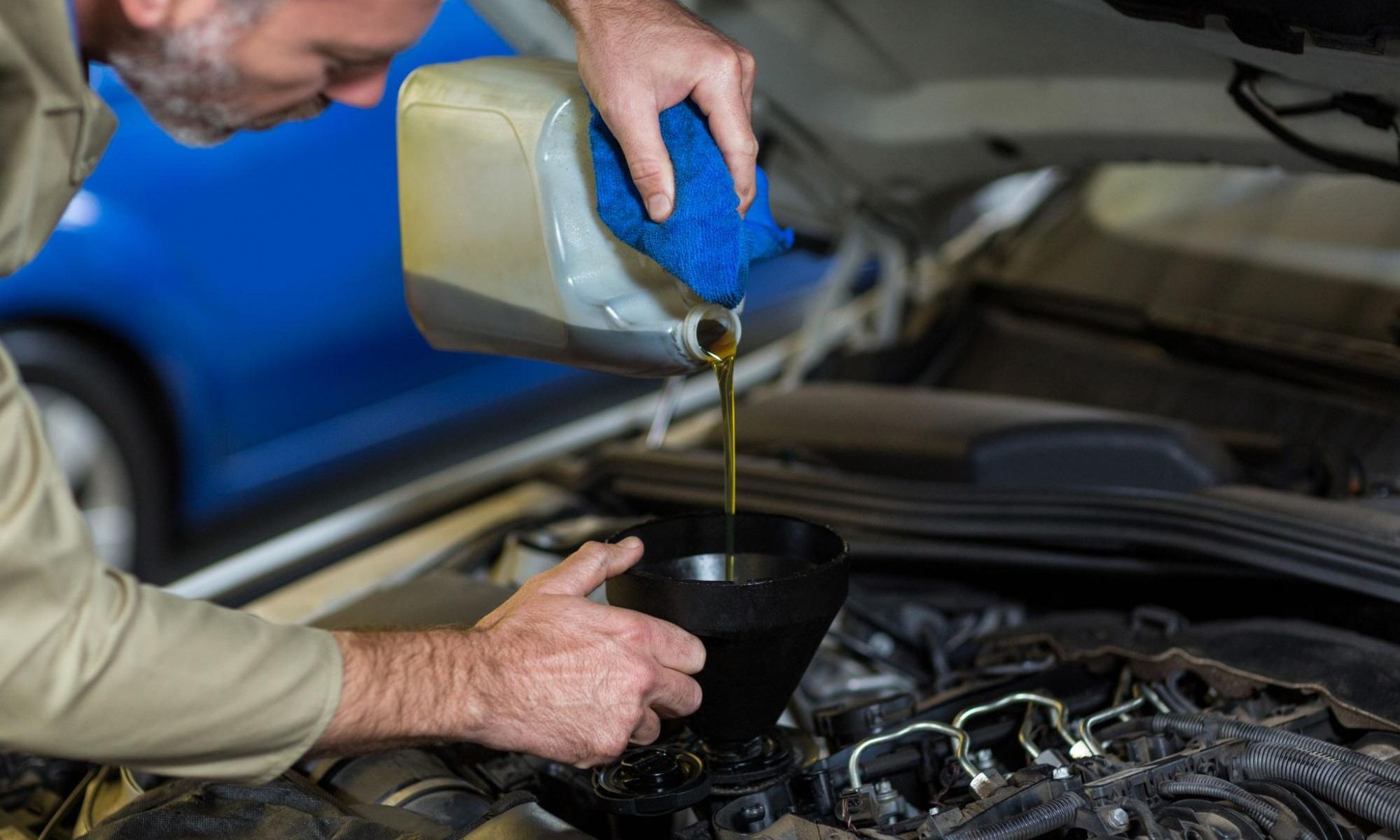
If you’ve been asking yourself ‘How often should you change your oil’, you’re certainly not alone. It’s a common question, and the answer can vary depending on how you use your vehicle.
Knowing how often to change oil depends on a few key factors, including your driving habits, the type of oil in use, and the overall condition of your vehicle. While most manufacturers provide general guidance, real-world driving conditions often determine what works best.
Keeping up with routine oil changes is one of the simplest ways to protect your engine, maintain performance, and reduce the likelihood of unexpected repairs. It also helps ensure your vehicle continues to perform consistently in different driving environments.
Maintaining a simple log can make it easier to track how often oil change is needed over time. Understanding how often to change engine oil can make a noticeable difference in how well your car performs over time.
What does engine oil do in a car?
Engine oil is essential for the smooth operation of your car’s engine. Its primary function is reducing friction between moving parts, which helps prevent excessive wear and overheating.
It also helps clean internal components by carrying away dirt and debris, allowing motor oil to remain effective for longer. In addition, it helps regulate temperature and maintain proper lubrication while the engine is running.
Without adequate lubrication, internal components can wear out quickly, increasing the risk of engine damage. That’s why maintaining correct oil levels is critical. Regular checks can also help you determine when to add oil, ensuring your engine continues to operate efficiently. Consistent lubrication also supports smoother acceleration and overall driving comfort.
What are the signs that it’s time to change the engine oil?
Recognising when to change oil early can help you avoid more serious issues. Below are some common indicators to be aware of:
1. Reduced engine performance or fuel efficiency
A noticeable drop in performance or increased use of more fuel may point to dirty oil affecting efficiency and overall fuel economy.
2. Burning oil smell inside the car
A strong odour inside the cabin may suggest that the car’s oil is overheating or leaking onto hot engine parts.
3. Exhaust smoke becomes darker than usual
Darker exhaust smoke can indicate that the oil is breaking down and no longer performing as it should.
4. Engine noise or knocking sounds increase
As old oil loses its effectiveness, friction increases, often resulting in louder engine noise or knocking sounds.
5. Engine oil looks dark and dirty
Clean oil is usually lighter in colour. Over time, oil degradation occurs, and the oil becomes darker as it accumulates contaminants.
6. Oil warning light
Many vehicles include an oil life monitoring system that signals when it is time to change oil.
7. Oil spots under the vehicle
Visible leaks beneath your car may indicate low oil levels or an issue with the oil filter. Addressing this early can help prevent further complications.
What happens if you don’t change your oil?
Delaying regular oil maintenance can lead to several long-term problems.
1. Reduced fuel efficiency and performance
When oil degrades, the engine must work harder, which can affect performance and increase fuel consumption.
2. Higher risk of engine damage or failure
Insufficient lubrication increases friction, raising the likelihood of serious damage to internal parts.
3. Costly repairs or complete engine breakdown
Ignoring your maintenance schedule can result in significant repair costs or, in some cases, total engine failure.
4. Engine overheating risk increases
Without effective lubrication, heat builds up more quickly, especially in extreme temperatures.
5. Sludge buildup inside the engine
As old oil breaks down, it can form sludge that blocks internal passages and restricts oil flow. Over time, this can lead to severe internal wear and long-term performance issues. In some cases, cleaning sludge buildup can be complex and expensive.
What are the benefits of frequently changing your car’s oil?
Maintaining proper oil change intervals provides clear advantages. It helps your engine run more smoothly, supports better efficiency, and contributes to a longer lifespan for your vehicle.
Using new oil ensures consistent lubrication and reduces wear on engine components. It also supports improved fuel economy, particularly for most drivers who rely on their vehicles daily.
Regular servicing also allows professionals to identify minor issues before they become major concerns. If your driving involves stop-and-go traffic, carrying heavy loads, or operating under severe service conditions, you may benefit from more frequent oil changes.
Adjusting your routine based on your driving style can help maintain consistent engine performance. It also ensures your engine remains well protected across different conditions. If you are unsure how often change oil, reviewing your usage patterns and service history can help you make a more informed decision.
How much does it typically cost to change engine oil?
The oil change cost depends on several factors, including the type of oil used and your vehicle’s requirements. For instance, conventional oil is usually more affordable, while synthetic oil and full synthetic oil tend to cost more but provide longer-lasting protection.
Additional considerations include labour costs at an auto repair shop and the complexity of your vehicle. Referring to your owner’s manual and following the manufacturer’s recommendations can help you choose the right oil and service frequency. Keeping a record of past services can also make future maintenance easier to manage.
For professional assistance, you can explore car engine oil change in Auckland or consult a reliable car mechanic in Auckland to ensure your vehicle receives proper care.
Wrapping Up
So, how often should I change my oil? The answer depends on your vehicle, how you drive, and the conditions you encounter. While general guidelines from most manufacturers are helpful, your actual usage matters.
Whether you spend more time on the highway or take short city trips, keeping up with regular oil changes helps protect your engine. Monitoring your vehicle and scheduling timely servicing makes a noticeable difference.
Staying consistent not only keeps your car running smoothly but also reduces the risk of breakdowns. It also supports long-term reliability and can help maintain the vehicle’s resale value, particularly when backed by a clear, consistent service history. Regular attention to maintenance ensures your car remains dependable and efficient over time.